Why Chandler Homes Need Smart AC Installation
Smart AC installation in Chandler is about more than just swapping equipment. When your air conditioner runs most of the day for months at a time, the choices made during installation show up in your comfort, your power bills, and how often you deal with breakdowns.
In our desert climate, a rushed or bargain installation can leave you living with hot bedrooms, noisy systems, and APS or SRP bills that are higher than they should be. This guide is for Chandler homeowners, landlords with rental properties, property managers, and local businesses like restaurants, offices, and grocery stores across the East Valley. AC installation in Chandler, AZ, is not the same as in cooler or more humid areas. Equipment type, sizing, and installation quality all matter more when your system is pushed hard almost every day.
We will walk through how to choose the right type of system, what SEER and SEER2 ratings actually mean, why proper sizing is so important here, and what a professional installation from a licensed HVAC contractor should include.
Choosing the Right AC System for Arizona Heat
Chandler properties are not one-size-fits-all, and neither are AC systems. Different buildings and uses call for different equipment.
Common options for our area include:
- Central split systems for most single-family homes
- Heat pumps that can cool and also handle mild heating needs
- Package units often used on flat-roof homes and commercial buildings
- Ductless mini-splits for room additions, garages, or server and equipment rooms
Arizona's dry heat, big temperature swings between day and night, and intense sun exposure affect more than comfort. They change how we think about where to place equipment, how to run refrigerant lines, and how to set up thermostats.
Key Arizona-specific decisions include:
- Placing condensers where they get shade and airflow, not jammed in a hot corner against stucco
- Keeping equipment clear of rock landscaping that can collect heat and blow dust into coils
- Using thermostat strategies that avoid big temperature swings and reduce strain on the system
Energy efficiency is another big piece of the puzzle. SEER2 ratings describe how efficiently a system uses electricity to cool your space. Higher SEER2 generally means lower monthly bills, but the highest number is not always the best choice for every property. For many Chandler homes and small businesses, choosing a solid mid-to-high efficiency system can balance upfront cost with long-term utility savings.
Getting AC Size Right for Chandler Properties
In the desert, it is easy to think that bigger is better, but an oversized AC can be a real headache. When a system is too large, it tends to short cycle: turning on and off quickly, never running long enough to even out temperatures from room to room. That can mean hot spots, loud starts and stops, and extra wear on parts. Undersized equipment has a different problem and can struggle all afternoon, especially in west-facing rooms.
A licensed HVAC contractor will look at more than just square footage. Proper sizing takes into account:
- Insulation levels in walls and attic
- Window size and direction, especially west and south exposures
- Roof type, like tile, foam, or shingle, and how it absorbs heat
- Ceiling height and open floor plans that move heat between levels
- Number of people in the space and how often it is occupied
- Heat from kitchens, computers, and other electronics
Instead of guessing based on whatever is already installed, a proper load calculation, often called a Manual J-style calculation, helps match the system to the real needs of the home or business. In Chandler, there are specific patterns: block construction that stores heat into the evening, single-story ranch homes that cool differently from two-story layouts, and west-facing walls and windows that roast during sunset.
Getting this part right is one of the most important steps in long-term comfort and reliable performance.
Why Installation Quality Matters More Than the Brand
Brand matters, but installation quality matters more. Even the best equipment will underperform if it is installed poorly. An incorrect refrigerant charge, restricted airflow, sloppy electrical connections, or leaky line connections can cancel out most of the benefits of a high SEER2 system.
A quality AC installation in Chandler, AZ, typically includes:
- Inspecting existing equipment and refrigerant lines
- Checking electrical capacity and safety shutoffs
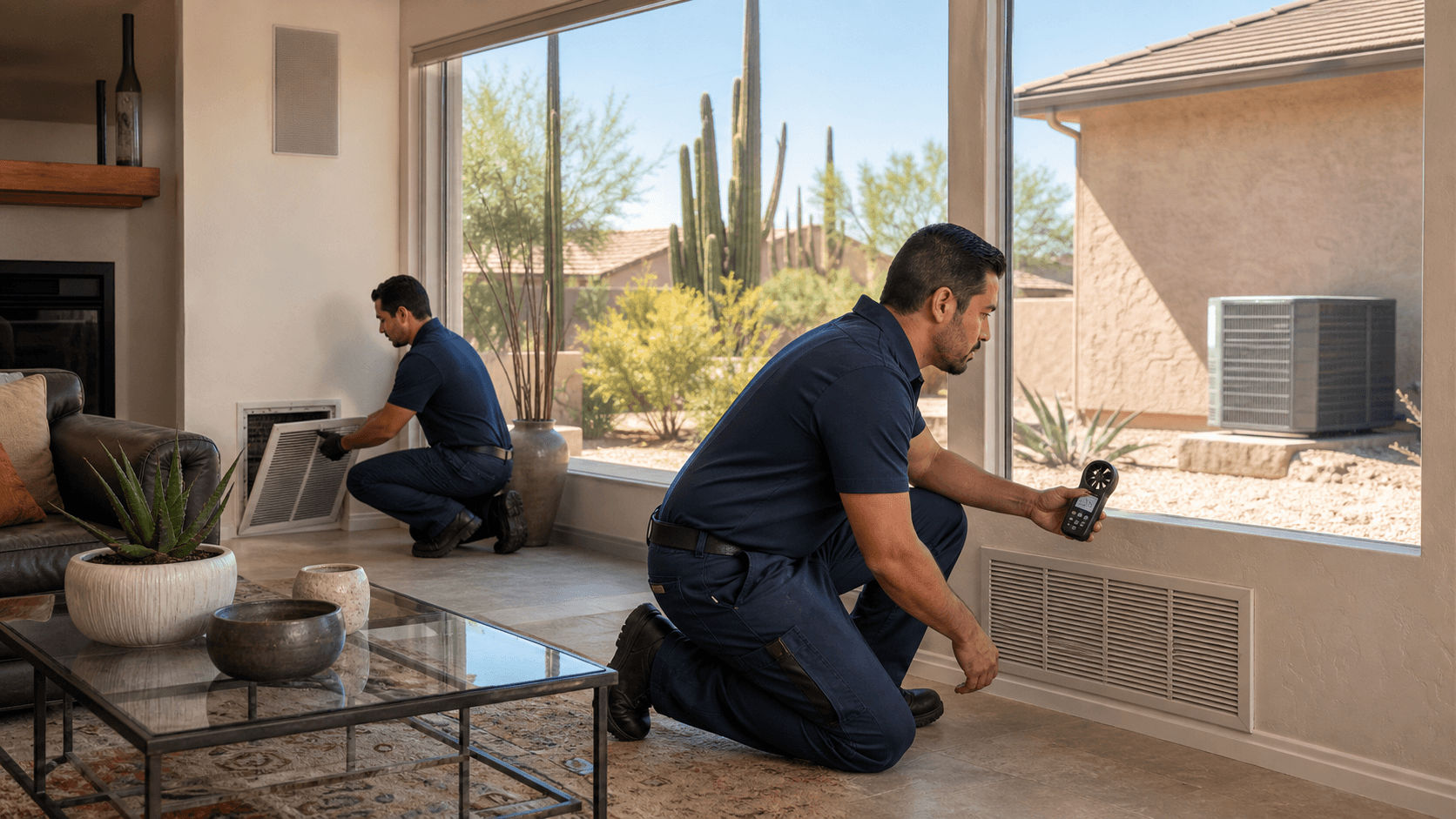
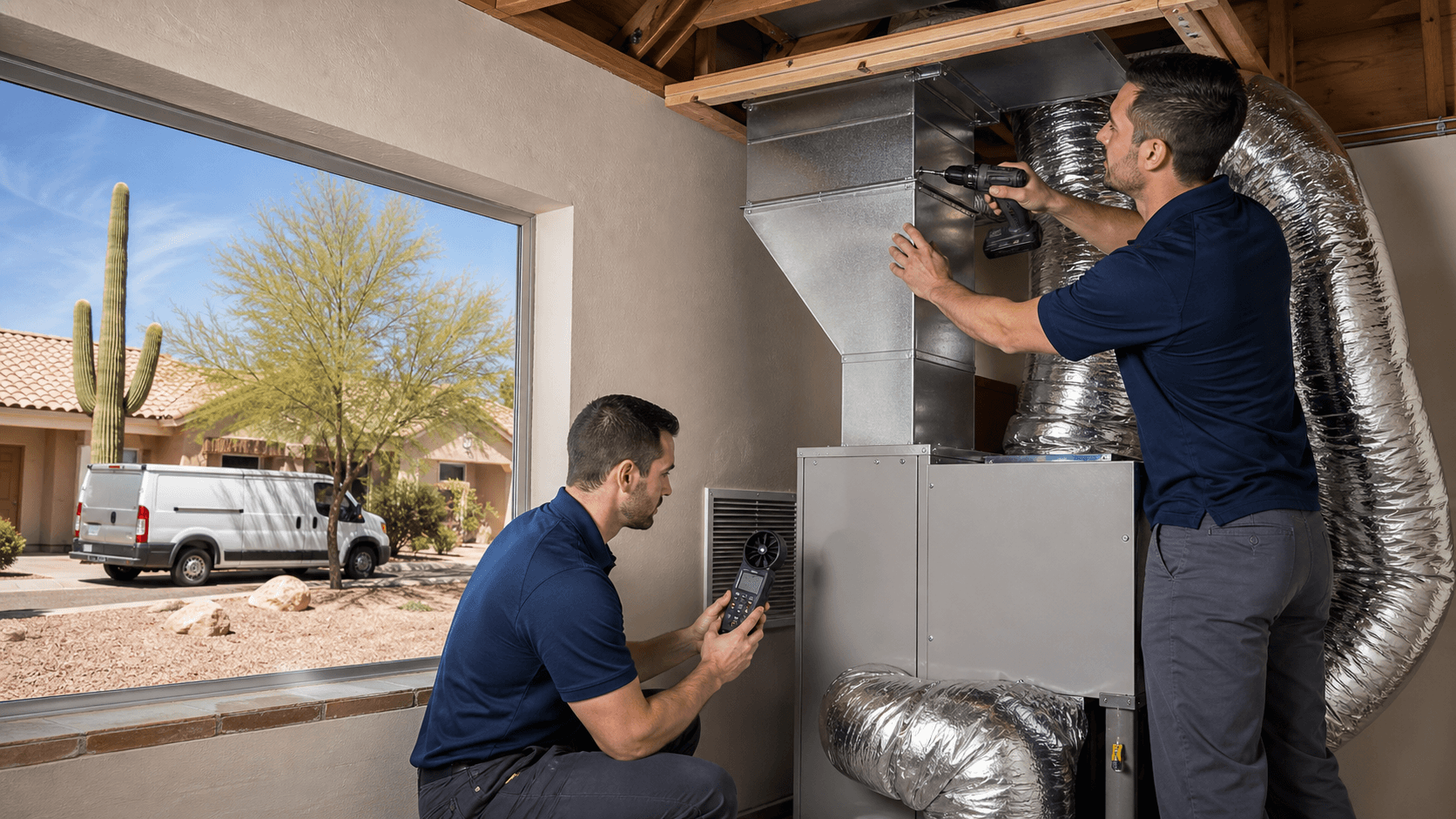
- Verifying supply and return air sizes for proper airflow
- Pressure testing and evacuating refrigerant lines before charging
- Setting up reliable condensate drainage for attic, closet, or roof units
Our desert environment adds a few extra details. Outdoor units need to be protected from rock landscaping, drifting dust, and direct, reflected sun from light-colored walls. Condensers should be placed where they can breathe and are not boxed in by walls or fencing. Securing equipment to withstand monsoon winds and strong dust storms is also part of a good installation plan.
For homes and businesses in Chandler, a professional crew also has to consider real-world logistics: hot attic spaces, safe access, limiting downtime during business hours, and clear communication when it is time to shut off power and swap equipment so you are not caught off guard.
Understanding SEER Ratings and Energy Bills in Chandler
SEER and SEER2 ratings can feel like alphabet soup, but they have a direct impact on your APS or SRP bill. In simple terms, SEER2 describes how much cooling you get for each unit of electricity used. In our long cooling season, AC can be a large part of total energy use, so even small efficiency gains can add up over time.
Different properties often call for different efficiency strategies:
- Starter homes and rentals may benefit from reliable, moderate-efficiency systems that keep costs reasonable
- Move-up and luxury homes might lean toward higher SEER2 and comfort-focused features
- Small offices often need a balance of efficiency and durability
- Spaces that run equipment 24/7, like some convenience stores or storage areas, may see more benefit from higher efficiency
There is a point where paying for the very highest SEER2 rating may not make sense, especially if the building has poor insulation, lots of air leaks, or an oversized system. In those cases, improving the building and getting sizing right can matter as much as jumping to the top-tier rating.
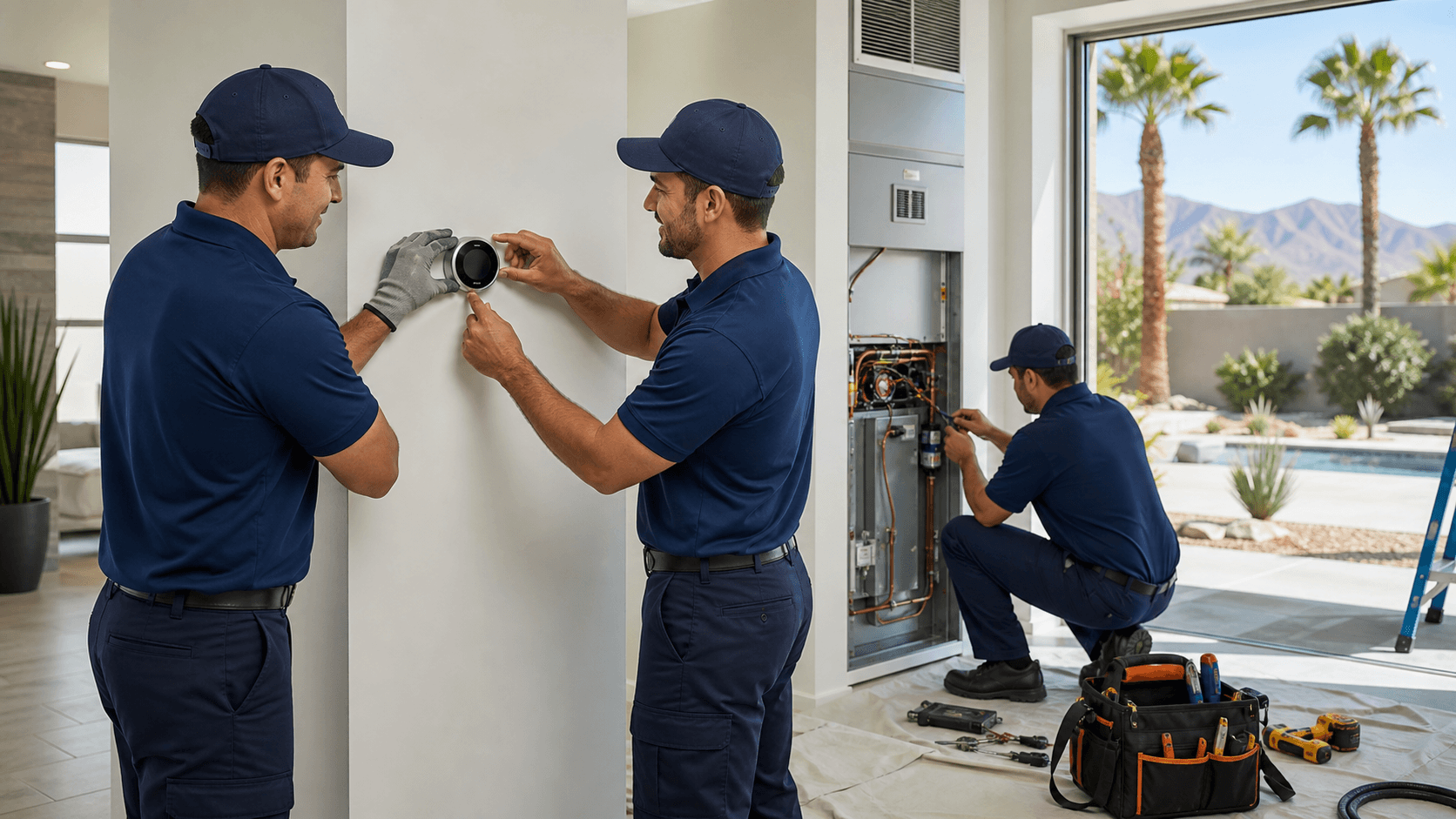
Newer technology, like variable-speed compressors and smart thermostats, can help smooth out temperature swings and improve comfort by running longer at lower speeds. In the Chandler area, that can keep homes and offices feeling more stable through long afternoons. The key is that these features only perform as intended when the system is installed and set up correctly, with proper airflow and controls.
What to Expect During Professional AC Installation
Knowing what will happen on installation day helps reduce stress for both homeowners and business owners. While every project is unique, the basic steps are similar.
A typical professional process includes:
- Initial visit, inspection, and load calculation
- Clear proposal and equipment options reviewed with you
- Scheduling the work to limit downtime during business hours or family routines
- Delivery of equipment and protection of flooring and furnishings
- Safe removal and disposal of old equipment
- Installation of new indoor and outdoor units, refrigerant lines, and controls
- System testing, fine-tuning, and a final walkthrough
For most residential replacements, the work is often completed in about a day, with larger commercial projects taking longer. Crews in Chandler often plan the most disruptive steps, like power shutoff and indoor work, to reduce the time you are without cooling during the hottest hours.
Site preparation also matters. Clearing space around the outdoor unit from gravel, plants, and yard clutter helps keep the job moving smoothly. Indoors, ensuring safe attic access where needed and protecting flooring from dust and debris are standard steps. After the system is installed, testing in the afternoon heat confirms that it performs under real desert conditions.
Post-install details might include basic thermostat programming, especially if you are on a time-of-use rate plan, and setting up a regular maintenance schedule to help protect efficiency and keep manufacturer warranties in good standing.
Confident Next Steps for AC Installation in Chandler AZ
Smart AC installation in Chandler is about making a series of good decisions that all work together. Matching the system to Arizona's climate, sizing it correctly for your property, focusing on installation quality instead of chasing brand names, and choosing SEER2 levels that fit your budget and long-term plans can help you stay comfortable with fewer surprises.
If you are in Chandler, paying attention to signs like frequent repairs, rising energy bills, uneven cooling, or equipment age can tell you it is time to start planning a replacement instead of waiting for a breakdown during peak summer. Working with a licensed local HVAC-contractor who understands desert construction, local utilities, and monsoon season conditions can make the process smoother for homeowners, tenants, and businesses across the East Valley.
Get Started With Your Project Today
If you are ready for a cooler, more comfortable home, our team at Frosty Fox AC is here to help you choose and install the right system. Schedule your AC installation in Phoenix, AZ and we will walk you through every step, from sizing to setup. We focus on clear communication, reliable workmanship, and efficient installations so your new system performs at its best. Reach out today to discuss your project and get a straightforward estimate.