What Gilbert Block Homeowners Need to Know About New AC
If you live in an older block home in Gilbert or the East Valley, your AC works harder than most people think. Concrete block walls, older ducts, and thin insulation all stack the odds against your system when the desert heat hits triple digits.
This is especially true if your home was built between the 1960s and the 1990s. Those homes were not set up for the kind of heat and energy use we deal with now. AC installation in Gilbert, AZ is different in these aging block houses than it is in newer stucco homes with foam and better insulation. Here, we will walk through how block construction affects cooling, what to look for in your current system, and how to plan a smart replacement before the late-summer heat spikes.
How Aging Block Construction Affects Cooling Performance
Concrete block walls soak up heat during the day, then release it slowly at night. That sounds harmless, but it changes how your home feels. Your AC may finally get the temperature down by late afternoon, then the walls start pushing heat back into the rooms just as the sun sets.
In older Gilbert neighborhoods, technicians often see:
- Original single-pane windows that leak heat
- Little or no attic insulation over key rooms
- Old metal ducts in a hot attic that are not sealed well
- One small return grille for the whole house
All of that means your system runs longer and still struggles. Homeowners usually notice things like:
- AC runs almost nonstop from late morning to bedtime
- Master bedroom or back rooms stay 3 to 5 degrees warmer
- Power bills jump up when afternoons get hotter
- Indoor temps rise again after sunset even with the AC on
If this sounds familiar, the problem is not only the unit. It is the way the house is built and how the system was originally set up.
When It's Time to Replace Instead of Repair
Older block homes often still have older AC units. At some point, repairs stop making sense and you are better off planning a replacement instead of waiting for the next breakdown.
Clear warning signs include:
- System age in the 10 to 15 year range or older
- Repeat failures like capacitors, contactors, or fan motors
- Refrigerant leaks on older R-22 equipment
- Loud compressors, short cycling, or harsh starts
Gilbert heat is tough on AC equipment. Long run times on 110- to 115-degree days speed up wear, especially if the old unit was not sized with current insulation, window films, or room use in mind.
Emergency service calls spike in late July and August when older units finally give out in the middle of a heat wave. At that point, you are dealing with:
- Hot, uncomfortable rooms for days
- Limited install slots because every HVAC company in the area is busy
- Decisions made fast instead of planned around your home
Planning an AC installation in Gilbert, AZ in spring or early summer lets you choose equipment and airflow fixes that match your block home, instead of just swapping boxes under pressure.
Key Installation Decisions for Gilbert Block Homes
Putting in a new unit on a block home is not just about picking a brand. The way the system is sized and installed matters just as much as the equipment itself.
System sizing for block homes needs real load calculations. A good design looks at:
- Block wall heat storage and color
- Window size and direction, especially west-facing glass
- Attic insulation depth and condition
- Duct layout, leaks, and return air size
A bigger unit is not always better. Oversized systems start and stop too often, which can lead to uneven rooms and poor humidity control. Block homes usually do better with longer, steady run times that gently pull heat out of the walls.
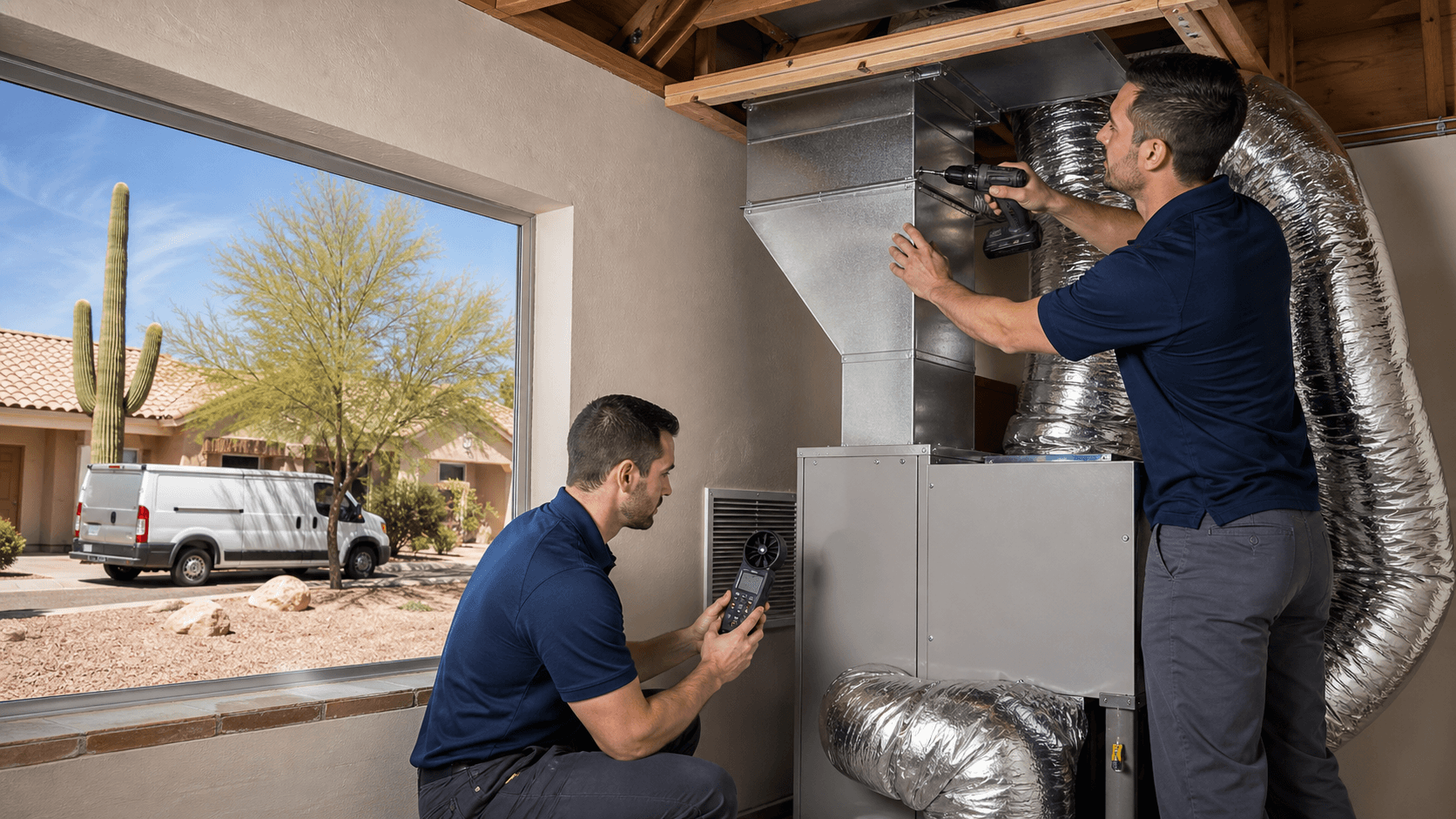
Ductwork and airflow are huge in aging homes. Common issues technicians find include:
- Crushed or kinked flex duct added over old metal runs
- Unsealed supply boots that dump cool air into the attic
- No return air in the master or far bedrooms
Fixing these during installation can clear up hot spots that a new unit alone would not solve.
Equipment choices also play a big role. Two-stage or variable-speed systems can be helpful for block homes because they can run on lower speed for long periods and match the slow release of heat from the walls. Outdoor unit placement matters too. Keeping the condenser out of direct west sun and away from tight, air-starved corners helps performance. On some homes, you will see both roof-package units and split systems, and the right choice depends on access, duct layout, and how the structure was built. Proper condensate drain routing is also important so older walls, patios, or walkways are not damaged.
Energy Efficiency Upgrades That Actually Make a Difference
When you are already planning a new AC, that is the best time to tackle a few key upgrades that work well in Arizona block homes.
The most effective improvements usually start in the attic and ducts:
- Sealing and insulating attic ductwork so cool air does not leak into a 130-degree space
- Adding attic insulation over key rooms, especially bedrooms and living areas
- Replacing old mercury thermostats with programmable or smart models
- Upsizing old, noisy return grilles to improve airflow
In many older block homes, the best results come from fixing air losses before spending more on higher SEER ratings. If your ducts leak or your attic is bare, even the nicest unit will fight an uphill battle.
Windows and shading can help too, especially on west and south sides, but they often come after duct and attic work in terms of impact per dollar. Homeowners often cut summer run times and bring down bills by pairing a right-sized unit with:
- Sealed and balanced ducts
- Added insulation in thin attic areas
- Better thermostat control that matches daily routines
The system then does not have to sprint every afternoon just to keep up.
What to Expect During a Professional AC Install Visit
A well-planned install day in an older Gilbert block home has a few more steps than a simple swap-out.
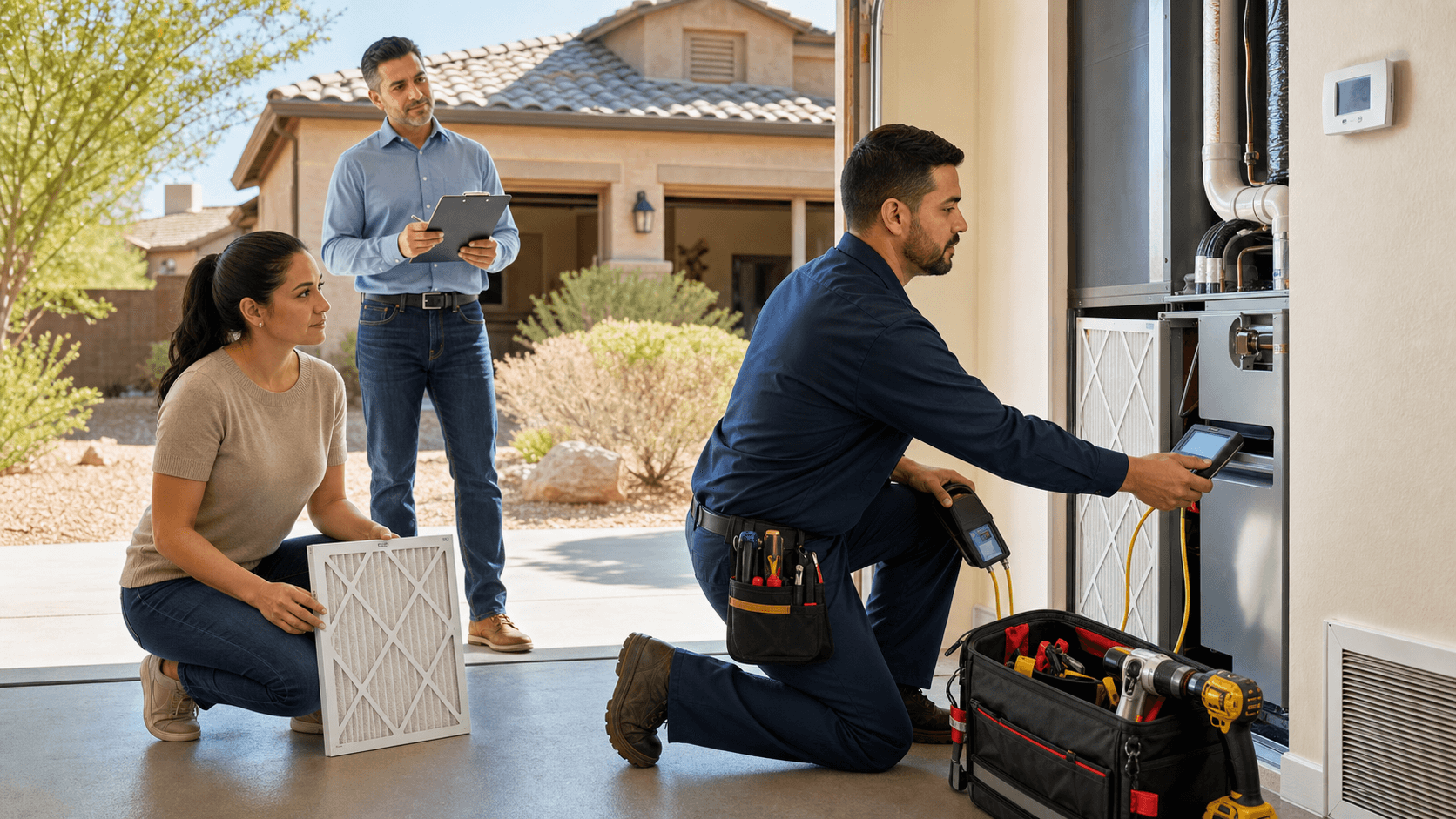
Before install day, there is usually a walkthrough and planning stage. On the day of installation, you can expect:
- Floor and furniture protection in work areas
- Careful removal of old indoor and outdoor equipment
- Safe access to the roof or tight side yards if needed
In aging block homes, technicians often take extra time to check:
- Electrical capacity and breaker condition
- Existing refrigerant lines, looking for kinks or corrosion
- Condensate drain lines for clogs, improper slope, or old traps
- Static pressure after connecting the new unit to existing ducts
These steps help catch hidden issues that could hurt your new system from day one.
After the equipment is in, there should be a detailed start-up:
- Checking refrigerant levels and system pressures
- Measuring temperature drop across the coil
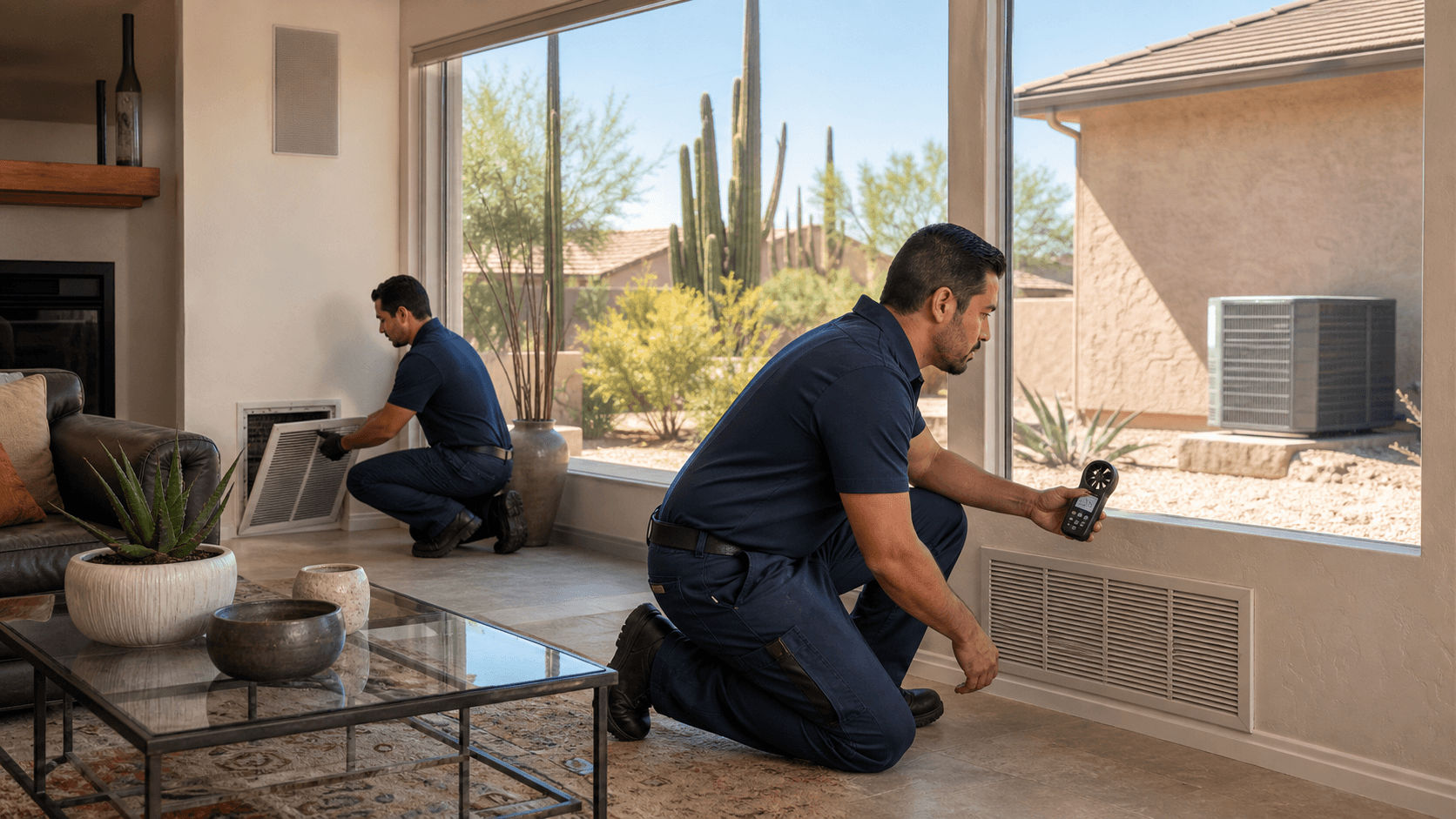
- Taking airflow and temperature readings in key rooms
- Setting up and explaining the thermostat features
Good documentation of model numbers, filter sizes, and warranty details makes future service visits smoother and keeps your system history clear.
Plan Your Next AC Move Before the Next Heat Wave Hits
Older block homes heat up fast when an AC fails, and they cool down slower once you finally have a new system in place. Waiting until a late summer heat spike can mean days of uncomfortable rooms, stressed equipment, and rushed decisions.
If you own an older block home in Gilbert or the East Valley and your system is 10-, 15-year-old or showing the warning signs above, this is the time to plan your replacement. Schedule a pre-summer AC evaluation focused on block construction so a technician can perform a proper load check, inspect your ducts and attic, and lay out replacement options tailored to your home's age, layout, and hot spots. That way, your next AC installation in Gilbert, AZ can be designed around your specific block home and comfort needs instead of being a last-minute emergency swap in the middle of a heat wave.
Get Started With Your Project Today
If you are ready to upgrade your home comfort, our team at Frosty Fox AC is here to help with professional AC installation in Gilbert, AZ. We will walk you through system options, sizing, and budget so you can make a choice that fits your home and goals. Reach out today to schedule a visit and get a clear, upfront quote for your project.