Cut Cooling Costs While Keeping Tenants Comfortable
Air conditioning is not a "nice to have" in Phoenix rentals. It is a basic need. When the sun is high and the heat hangs around, tenants judge a property quickly by how well the AC keeps up. For owners and managers, that comfort connects directly to costs, reviews, and long-term profit.
In this article, we will walk through how to get more efficiency from your cooling systems without making tenants suffer. We will talk about how AC performance affects your bottom line, smart seasonal care, upgrades that pay off, and simple ways to guide tenants so everyone wins.
Phoenix rentals face unique pressure. Long stretches of extreme heat, high cooling demand all day and night, and rising utility rates can push AC systems hard. When those systems are efficient and well maintained, they help landlords:
- Cut operating costs
- Lower vacancy risk
- Boost long-term property value
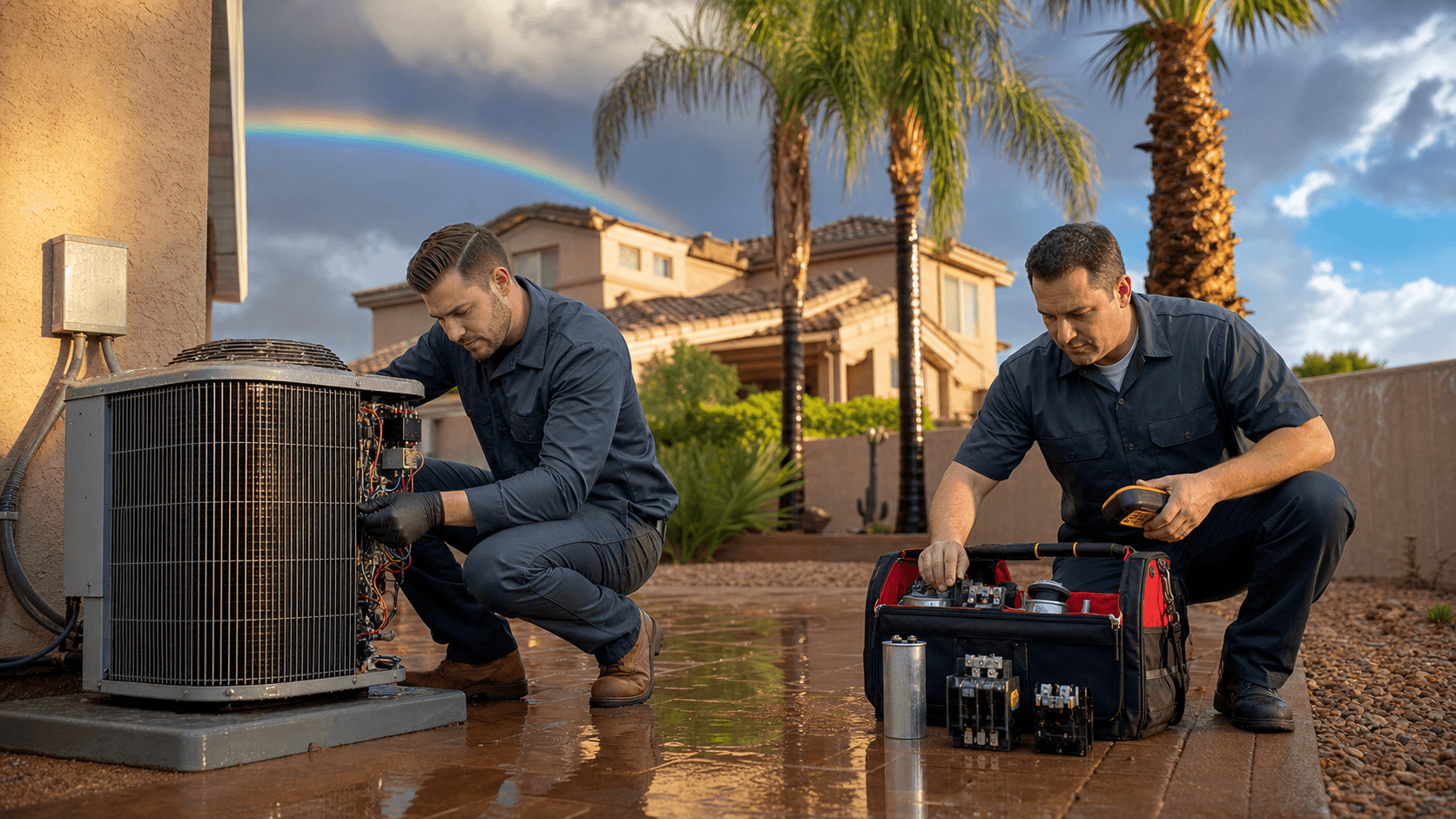
Working with professional HVAC services in Phoenix, AZ is one of the best ways to protect these systems. Reliable support helps prevent breakdowns, keep tenants comfortable, and keep your rental business steady through the hottest months.
How AC Efficiency Impacts Your Rental Profit
AC efficiency is not just about how cool the air feels. It is also about how hard the system has to work to reach that temperature, and how much power it pulls from the grid. Three key pieces matter here: SEER rating, system age, and proper sizing.
- SEER rating: Higher SEER systems usually use less energy for the same cooling
- System age: Older units often run longer, break more, and cost more to operate
- Proper sizing: Units that are too small or too large waste energy and strain parts
In Phoenix, the hottest months can push any AC to its limit. During that time, small issues show up as big bills and complaints. A newer, properly sized system with a good SEER rating can help keep those bills more stable for both you and your tenants.
This ties right into cash flow. When your AC runs efficiently, you are more likely to see:
- Fewer emergency repair calls
- Better tenant retention, since comfort is a top reason people renew
- Stronger marketing power when you can offer "energy-efficient cooling" as a perk
On the flip side, inefficient or poorly maintained systems bring trouble. Tenants may call often about weak airflow, long run times, or hot rooms. In extreme heat, repeated AC problems can turn into habitability concerns or legal headaches. Keeping your systems efficient is really about protecting yourself, your renters, and your reputation.
Seasonal Maintenance Strategies for Phoenix Summers
In our climate, AC systems are like rental workhorses. They run early, they run late, and they rarely get a real break. That is why a seasonal maintenance plan is so helpful for Phoenix rentals.
A smart schedule usually includes:
- A full pre-summer tune-up in March or April
- A mid-season check during peak heat if systems run almost nonstop
- Quick follow-up visits after any major issues to confirm everything is back on track
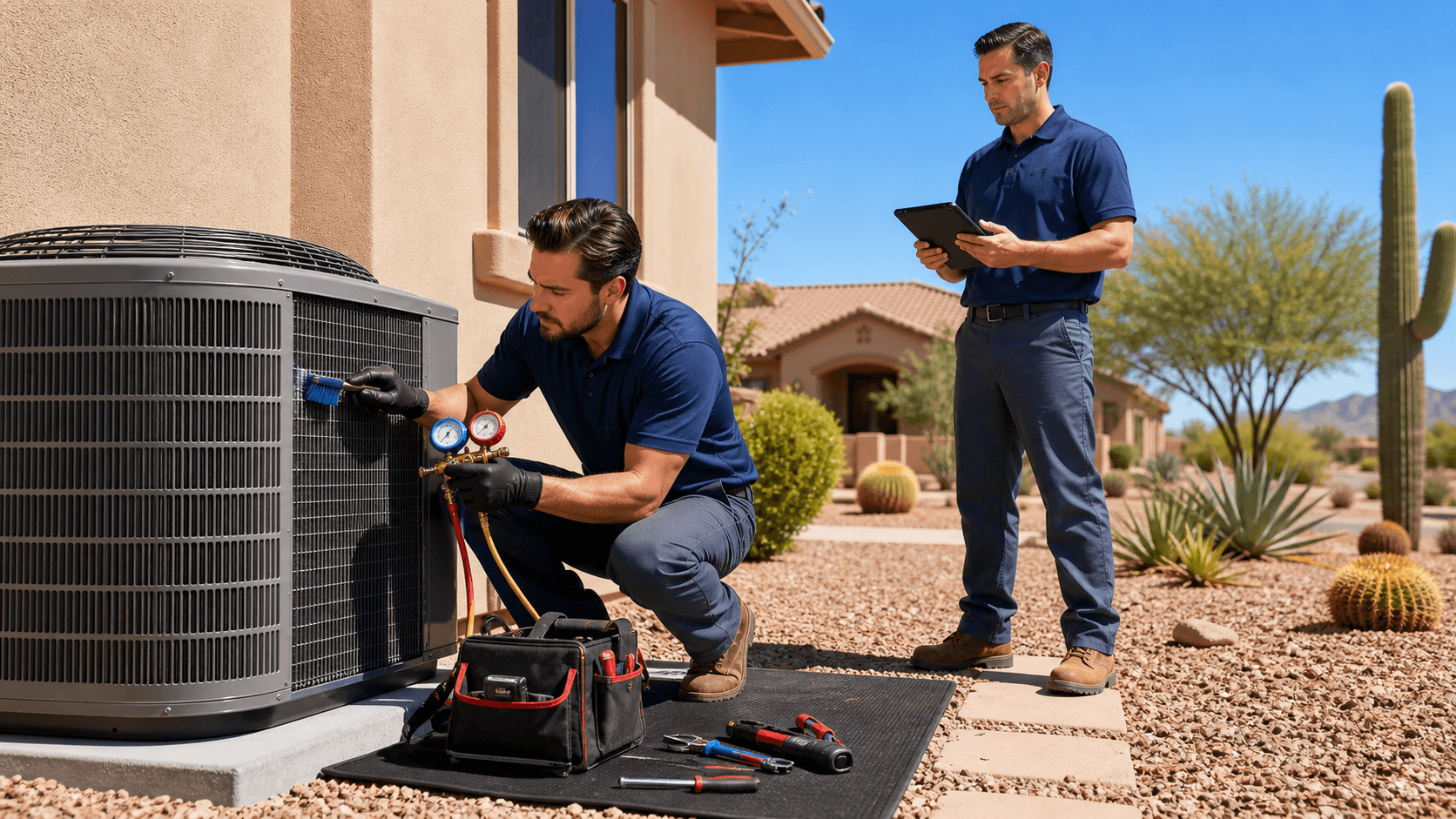
During a tune-up, a professional technician should focus on tasks that keep energy use under control and help prevent breakdowns. Key steps often include:
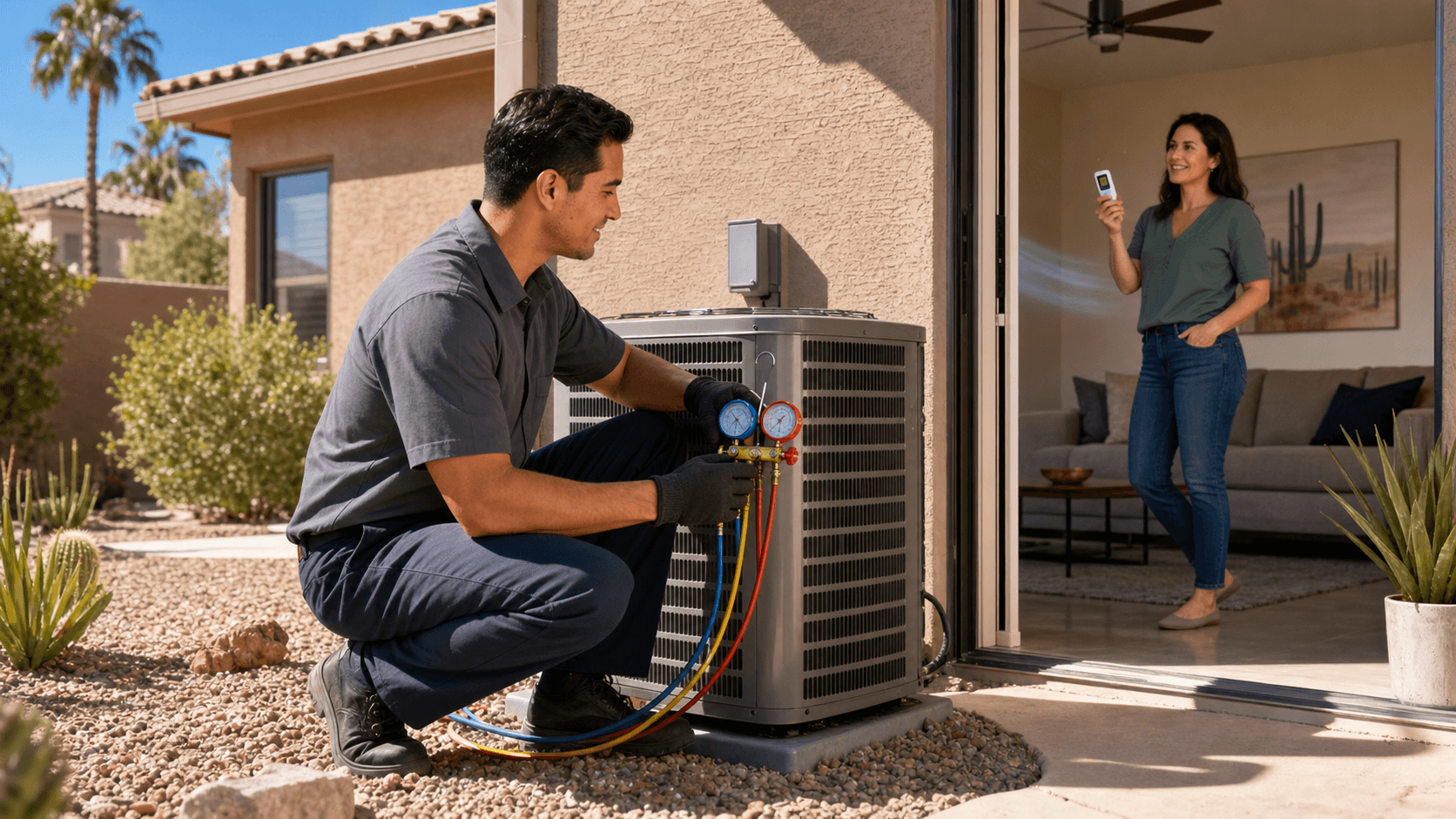
- Checking refrigerant levels
- Cleaning indoor and outdoor coils
- Verifying airflow and inspecting ductwork
- Inspecting electrical components and safety controls
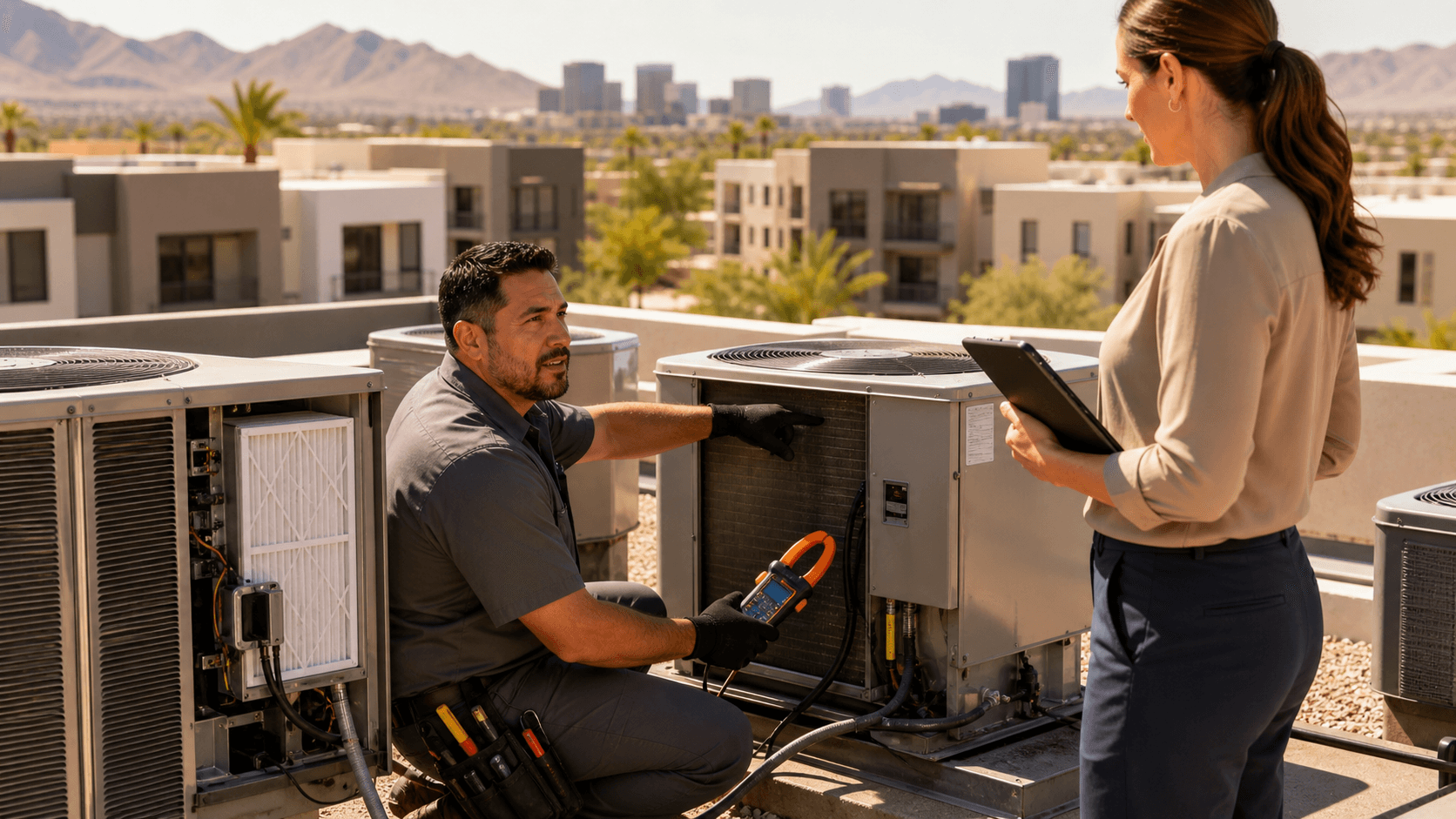
These steps help the system run smoother, reduce strain on parts, and catch small problems early. For landlords and property managers, this is also about peace of mind. Working with trusted HVAC services in Phoenix, AZ gives you consistent support, clear maintenance records, and someone to call when the AC quits on a holiday weekend or late at night.
Smart Upgrades That Boost Efficiency in Rentals
You do not always need a full system change to get better performance. Sometimes, a few smart upgrades can make a big difference in comfort and energy use.
Cost-effective ideas for rental properties include:
- Programmable or smart thermostats to control temperatures when units are empty
- High-efficiency filters matched to the system, changed on a steady schedule
- Attic insulation improvements or sealing gaps that let heat pour in
There comes a point when it makes more sense to replace an aging AC than to keep fixing it. Signs it might be time include:
- Frequent repair calls in a short period
- Noticeably higher energy use compared to similar units in your portfolio
- An older system with a low SEER rating that struggles in peak heat
A newer, high-efficiency unit can bring several benefits, like improved comfort, less repair stress, and stronger appeal to renters who care about energy costs. You can also look at rebates, warranties, and long-term savings when you make that choice.
Even small changes in how a property handles heat can reduce cooling loads:
- Slightly higher thermostat setpoints during the day
- Ceiling fans to help move cool air and let tenants feel comfortable at warmer settings
- Shading help, like sunscreens, window films, or exterior shading on the sunniest sides
These steps keep spaces cooler without making the AC grind all day, which helps extend equipment life.
Tenant Education That Protects Your AC Investment
You can have a great system and a solid maintenance plan, but if tenants unknowingly stress the AC, everyone pays the price. Simple education goes a long way.
Helpful guidelines to share include:
- Recommended thermostat settings during summer, such as avoiding large swings
- How often to change filters, and which size or type you prefer
- What warning signs to report early, like strange sounds, weak airflow, or warm air
Clear lease language also helps protect your equipment and reduce confusion. Many landlords choose to:
- Define who is responsible for basic tasks like filter changes
- Explain what to do if the AC stops working
- State that tenants should not block vents or change system settings beyond the thermostat
When tenants know how to care for the system and feel heard when they have issues, they are less likely to abuse the AC or ignore small problems. Proactive communication and quick responses build trust, cut down on after-hours emergencies, and keep both sides calmer during Phoenix heat waves.
Partner with Pros to Keep Your Rentals Cool and Profitable
When you look at the big picture, consistent HVAC care is a smart business move. Efficient AC systems bring lower lifetime costs, fewer emergency visits, and steadier comfort that tenants remember when it is time to renew. They also support better online reviews and stronger word of mouth in a very competitive Phoenix rental market.
A pre-summer assessment from local HVAC services in Phoenix, AZ can help you spot weak points, plan upgrades, and lock in maintenance plans across your portfolio. With the right partner, you can move from constant "fire drills" to a calm, planned approach that keeps your properties cool, protects your equipment, and supports your bottom line.
At Frosty Fox AC, we focus on helping Phoenix landlords and property managers keep their AC systems running strong through long, hot seasons. With fast service, emergency support, and ongoing care, we work with you to build a simple, reliable plan that keeps tenants comfortable and your rentals performing at their best.
Get Started With Your Project Today
If you are ready to improve your indoor comfort, our team at Frosty Fox AC is here to help you plan the right solution for your home or business. Explore our comprehensive HVAC services in Phoenix, AZ to schedule maintenance, repairs, or a new system installation that fits your needs and budget. We will walk you through your options, answer your questions, and provide clear recommendations so you can move forward with confidence.